Ask a room of lifters what their program is and they will describe training days in detail: exercises, sets, weights. Ask about recovery and you usually get a shrug. That shrug is where progress goes to stall. Training is the stimulus, the request for change. Recovery is when the body actually does the building: repairing tissue, refilling energy stores, and settling the nervous system down. Skip it often enough and the same workouts that made you stronger start making you tired, sore, and stuck.
Studios in Monroe now treat recovery as a service in its own right, with dedicated recovery rooms offering body tempering, massage therapy, and guided stretch sessions. You do not need to use all of them. You do need a recovery plan that is more deliberate than hoping the couch handles it.
What body tempering actually is
Body tempering uses a heavy, weighted steel roller applied with pressure across large muscle groups: quads, hamstrings, glutes, calves, and the upper back. Think of it as deep pressure work, similar in spirit to foam rolling but with far more load and control, usually applied by a practitioner. Lifters use it before training to loosen stiff tissue and improve positions, and after hard blocks of training to work on areas that stay chronically tight.
It is not magic and it is not chiropractic care. It does not fix injuries. What it can do, when it works for someone, is reduce that heavy, bound-up feeling in trained muscles and make the next session's warm-up shorter and more productive. If an area is injured, sharp, or numb, that is a medical conversation, not a tempering one.
Stretching and massage, without the mythology
Guided stretch sessions take joints through their full range with assistance, which reaches positions most people skip on their own. The benefit is practical: hips that open for squats, shoulders that tolerate pressing, a back that feels less guarded in the morning. Massage therapy works the same territory from a different angle, easing general tension and soreness after heavy training weeks.

Neither will lengthen muscles permanently after one session, and anyone promising that is selling something. Used regularly, both help you train more comfortably, and comfortable training is consistent training. That consistency, not any single session, is what produces results over a season.
Sleep, food, and the free recovery tools
The most powerful recovery tools are unglamorous. Sleep is first: most adults training hard do best on seven to nine hours, and chronically short sleep shows up as stalled lifts, constant soreness, and workouts that feel harder at the same weights. Protein matters next, spread across the day in normal meals. Carbohydrates refill the energy you spent. Water sounds too simple to list, but Monroe summers make dehydration a real training variable, and a session that starts dry ends early.
- Sleep seven to nine hours, with a consistent wake time where you can manage it
- Eat protein at each meal on training and rest days alike
- Drink water through the day, not just during the workout
- Walk on rest days to keep blood moving without adding load
- Use stretching, tempering, or massage for areas that stay stiff week after week
- Take one full rest day each week with no structured training
Active recovery deserves a definition, because people abuse it. A recovery day walk, easy bike ride, or light mobility session should leave you feeling better than when you started. If it needs its own recovery day, it was a workout wearing a costume.
Reading your own signals
Learn the difference between normal training fatigue and the early signs of under-recovery. Normal: sore for a day or two, eager enough by the next session, performance roughly stable. Warning signs: performance dropping two sessions in a row, sleep getting worse instead of better, small aches collecting interest instead of fading, and a flat, irritable feeling about training you normally enjoy. The fix is rarely complicated: an easier week, more sleep, more food, and a recovery session or two. The mistake is adding more work to a recovery problem.
Build recovery into the week on paper. If your plan says lift Monday, Wednesday, Friday, write the recovery work in too: a stretch session Thursday, a walk Tuesday, lights out at a set time. What gets scheduled gets done, in recovery just as much as in training.
Common questions
How often should I book a recovery session?
Once a week suits most regular lifters, or every other week during lighter training. Very hard training blocks may call for more, easy weeks for less.
Is soreness a sign I need recovery work?
Mild soreness for a day or two is normal training feedback. Soreness that lingers past three days, or keeps returning in the same spot, is worth attention and possibly a form check.
Can recovery work replace rest days?
No. Stretching, tempering, and massage support rest, they do not substitute for it. Keep at least one genuinely easy day in every training week.
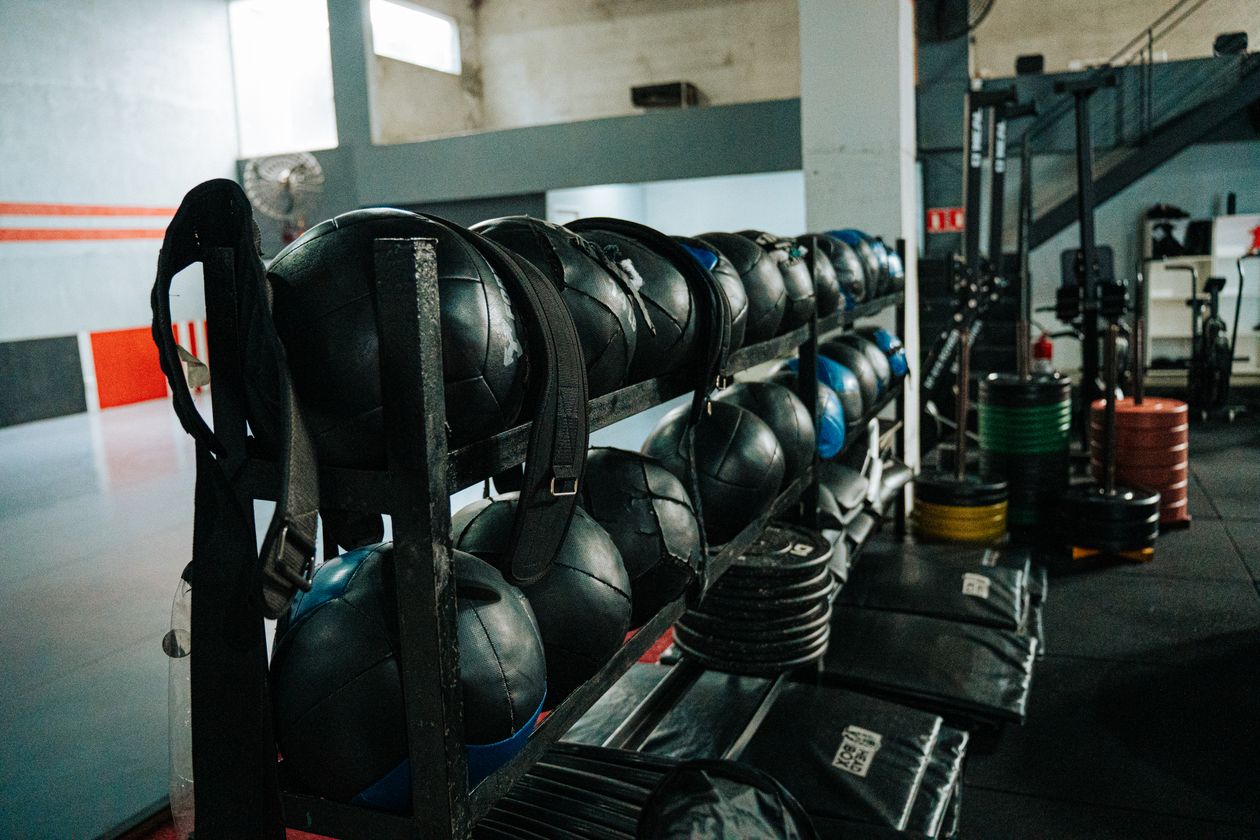
Photos in this guide are representative stock images.
← All guides from No Limits Fitness← Back to No Limits Fitness