Somewhere in your forties, the math of muscle changes. Adults lose muscle mass gradually with age, a process researchers call sarcopenia, and the loss speeds up in later decades if nothing pushes back. The pushback is well established: progressive resistance training. Muscle after 40 is not about appearance, though it helps. It is about carrying groceries up stairs at seventy, catching yourself when you trip on a curb, keeping blood sugar and bones in better shape, and staying independent longer.
The good news from training studios in Monroe is that the over-40 beginner is now a normal client, not an exception. The program looks different from a twenty-five-year-old's, mostly in pacing and recovery, not in ambition. Here is how to think about it.
What actually changes with age
Three things matter most. First, muscle protein synthesis responds a bit more slowly, so meals and total daily protein count for more than they did at twenty-five. Second, connective tissue and joints recover more slowly, which means warm-ups stop being optional and load increases get smaller and steadier. Third, life is busier: careers, kids, parents, and sleep that is not what it was. A program that ignores any of those three will not survive contact with a real week.
None of this means training gently forever. It means earning load. A forty-five-year-old who trains consistently for a year will outlift their own starting point by a wide margin, and plenty outlift people half their age who train sporadically. Consistency is the variable that age cannot take from you.
The joint-friendly way to get strong
Exercise selection does most of the joint protection. Machines and dumbbells let you train hard through ranges that feel good; barbells come in where they suit your body. A leg press or goblet squat instead of a maximal back squat, a neutral-grip press instead of a straight bar that bothers your shoulder, a trap bar or Romanian deadlift pattern for the hinge. The muscles do not know which tool you used. They know tension, effort, and progression.
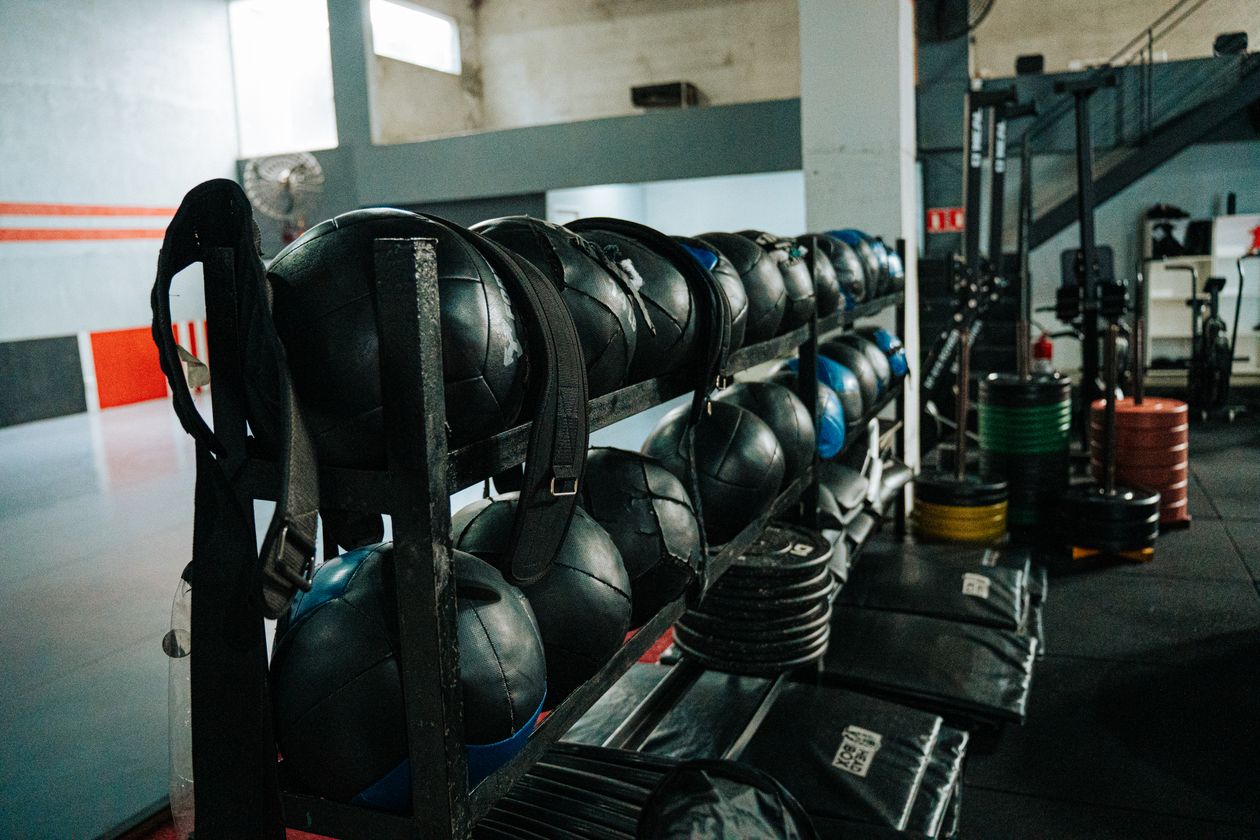
Tempo helps too. Lifting under control, two to three seconds down, no bouncing out of the bottom, gives muscle the work while giving joints less abuse. And range of motion should be the range you own today, deepening gradually as mobility improves, often with help from stretching and recovery work between sessions.
Recovery is the program's senior partner
After 40, recovery stops being the thing you fit around training and becomes a co-equal part of it. Sleep quality drives more of your results than any supplement. Warm-ups get longer and more specific. Rest days between hard sessions for the same muscles stretch toward forty-eight hours as a default. Many lifters over forty thrive on three full-body days, or an upper-lower split across four days, precisely because both leave room to recover.

Protein deserves a specific mention. Research on older adults generally supports spreading adequate protein across the day's meals to support muscle repair. You do not need to weigh your life. You do need to stop treating protein as a dinner-only event, especially on training days.
Starting, or restarting, without the setback
The classic over-40 injury story is not mysterious: a motivated restart, weights remembered from fifteen years ago, and a back or shoulder that files its complaint by Friday. Restart at half of what you think you can do. Spend four weeks rebuilding positions and tolerance, then progress. A few sessions with a coach to rebuild form and set starting loads is money and time well spent at this age, because an avoided injury is worth two months of progress. Train through Piedmont summers with the heat in mind as well: morning sessions, steady hydration, and no shame in adjusting a hard day when the humidity is doing its worst.
Common questions
Is it too late to build muscle after 40?
No. Studies of adults in their fifties, sixties, and beyond consistently show meaningful strength and muscle gains from progressive training. The timeline is a bit slower, the direction is the same.
Should I avoid heavy weights because of my joints?
Heavy is relative. Loads that are challenging but controlled, through pain-free ranges, are generally how strength is built at any age. Pain is the signal to modify the exercise, not to abandon training.
How many days a week should I lift?
Two to four days covers nearly everyone. Three full-body sessions is a strong default for beginners and returning lifters over 40.
Photos in this guide are representative stock images.
← All guides from No Limits Fitness← Back to No Limits Fitness